What we actually check in a social media audit (and why most businesses skip it)
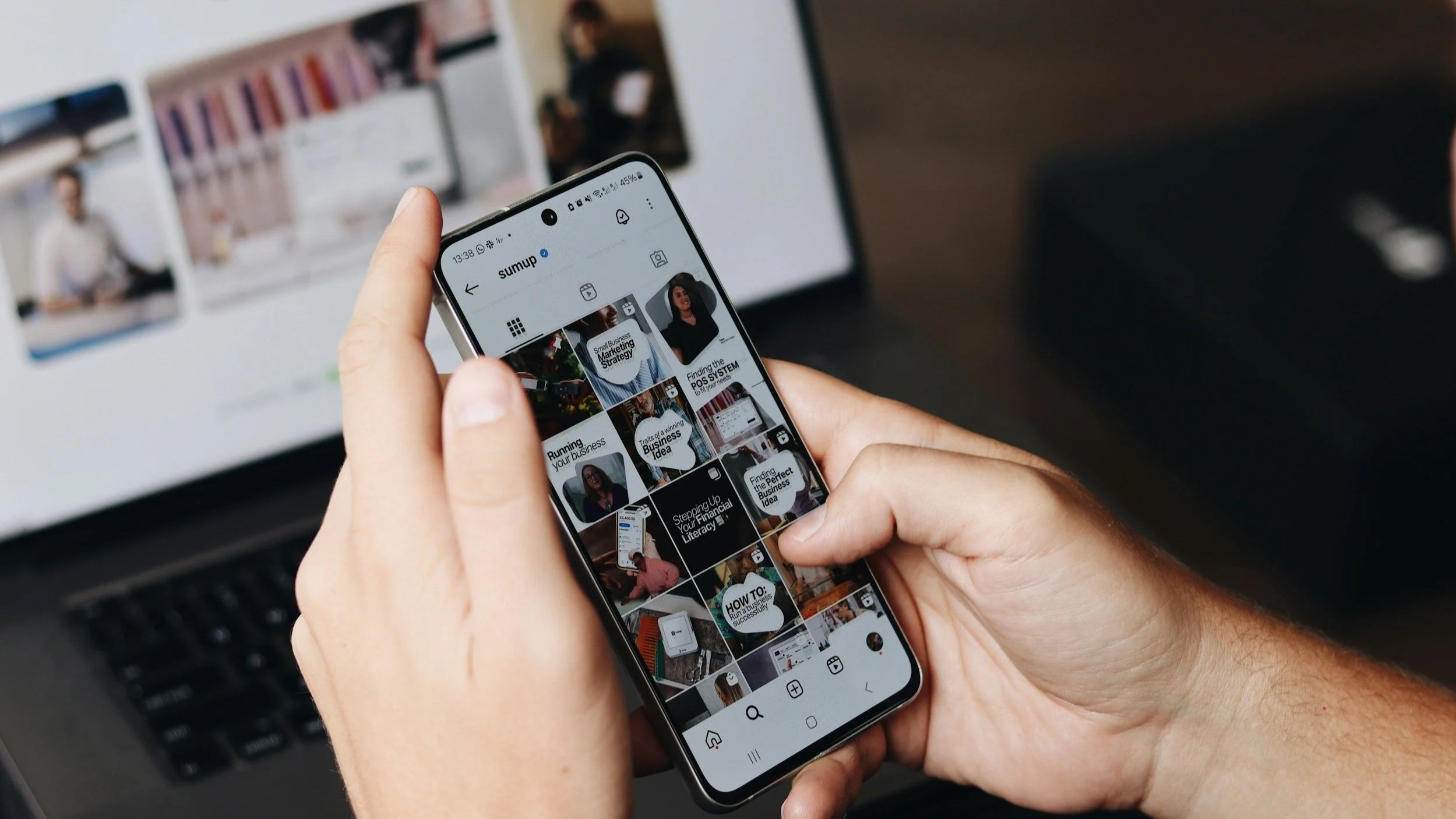
Ever wonder why your Instagram looks fine to you but doesn't seem to be bringing anyone through the door?
Most business owners never find out. They post consistently, keep things looking tidy, and still can't tell what's actually working. That's not a content problem, it's a visibility problem. You're too close to your own feed to see it the way a stranger does.
A proper audit fixes that. Here's what it actually involves, and why the process matters more than the checklist.
Start with what a stranger sees, not what you see
The biggest blind spot in most self-reviews is perspective. You know your business. A first-time visitor doesn't. They land on your profile with zero context, and they decide within seconds whether to keep scrolling or actually look closer.
That's why an audit is built entirely around what's publicly visible, with no access to your analytics or account settings needed. It's the same first impression every potential customer gets, examined properly instead of glanced at.
That means going through:
Profile fundamentals - name, photo, bio, links, highlights, pinned content. These get ignored because they rarely change, but they're doing more work than any single post. A broken booking link or a bio that doesn't say what you do, where you are, or how to get in touch is a lost customer before they've even seen your content.
Content patterns over time - not just "is this post good," but posting frequency, visual consistency across weeks and months, whether captions are adding anything beyond a description, and whether engagement is actually happening or just technically present.
Optimisation basics - hashtags, alt text, whether content is structured to be discoverable by people who aren't already following you. This is the layer most businesses never think about because it's invisible unless you know to look for it.
Why this needs an outside eye
Here's the part that's easy to underestimate: you can't audit your own blind spots, because they're blind spots. If your bio has been the same for two years, you've stopped seeing it. If your posting has quietly become inconsistent, you've adjusted to the new normal without noticing.
A structured external review catches what daily familiarity hides. It's the same reason a second pair of eyes on a CV catches typos the writer missed ten times over — proximity makes you blind to your own patterns.
Platform by platform, not one blanket judgement
Instagram, Facebook, TikTok, LinkedIn - each platform gets reviewed on its own terms, because "good social media" doesn't mean the same thing on all of them. A LinkedIn presence that looks sparse might be entirely appropriate for a B2B audience; the same sparsity on Instagram for a customer-facing café would be a real problem. Context matters more than a generic scorecard.
Each platform section covers the same structure — profile check, content review, and a clear summary of what's working and what needs attention — so you get a like-for-like comparison across everything you're active on, not just a single opinion.
The part most self-audits skip: turning findings into priorities
A list of issues isn't useful on its own. Everything feels urgent when you're looking at your own business, which is exactly the problem — without a framework for prioritising, "fix the bio" and "rebuild the entire content strategy" end up looking equally pressing.
A proper audit ends with a prioritised action plan, split into high, medium and low priority, plus a set of genuine quick wins — the things that take under an hour each and make an immediate difference:
Making sure every bio clearly states what the business does, where it's based, and how to get in touch
Checking that every link in every bio actually works and goes to the right page
Ensuring profile photos and branding are consistent across every platform, not just the main one
Turning on notifications so comments and messages aren't quietly missed
Responding to any unanswered comments or reviews still sitting there
Small, specific, and done by the end of the week, not a six-month strategy document that never gets actioned.
How often this actually needs doing
An audit isn't a one-off box to tick and forget. Businesses change - new menus, new services, seasonal shifts, rebrands, and social media has a habit of quietly falling out of step with all of it. A bio written when the business first launched might not reflect what it's become two years later. A content style that worked well last year might have gone stale without anyone noticing, because the person posting it sees it every day.
As a rough guide, a full audit every six to twelve months keeps things honest, with a quicker check-in whenever something significant changes: a rebrand, a new location, a shift in target customer.
What tends to surprise business owners most
Almost every audit turns up at least one thing the owner had no idea was happening. A link broken for months, three platforms running three different logo versions, a bio still referencing an old address. None of these are complicated fixes. They're just invisible until someone goes looking specifically for them.
The other common surprise: the real issue usually isn't content quality. Owners often assume they need better photos, when the actual problem is structural — inconsistent posting, a confusing bio, content that isn't optimised to be found by anyone outside existing followers. Fixing the structural issues tends to make a bigger difference, faster, than any amount of extra content effort.
Why most businesses skip this entirely
Because it feels like admin, not growth. Running a business leaves very little appetite for "review my own Instagram" when there's a hundred more urgent things competing for attention. So the same small, fixable issues sit there for months.
An audit doesn't commit you to anything ongoing. You get the full picture, a clear priority order, and the choice to implement it yourself or come back for support later. No templates, no filler — just an honest, specific read of where things actually stand.
If it's been a while since anyone looked at your social media properly, that's exactly what this is for.